

There’s something lovely about watching a kitten discover a toy: the careful stare, the little crouch, then the pounce. Play gives kittens a safe way to practise natural behaviours such as stalking, chasing and catching. It also gives us a chance to share a happy moment with them.
The best cat toys don’t have to be complicated. A little variety, regular play and a few sensible safety checks can make a real difference to your kitten’s day. Here’s how to choose toys, play together and build a routine that suits your cat as they grow.
Why play matters for kittens
Kittens are curious, energetic and still learning how to interact with the world around them. Play offers exercise and mental stimulation, while giving them an appropriate outlet for their hunting instincts. It can also help you build a positive bond through calm, enjoyable time together.
A toy is not a replacement for companionship or a varied home environment. But the right mix of toys, scratching options and places to explore can help make indoor life more interesting. Cats of all ages enjoy play, too, so there’s no need to pack away the toys once kittenhood is over.
Types of cat toys to try
Every cat has their own preferences. One kitten may be fascinated by a rattling mouse, while another would rather chase a ball across the floor. Try a few types and pay attention to what your cat chooses.
Wand toys for shared play
Wand toys let you move a toy from a comfortable distance, encouraging your kitten to follow, stalk and pounce. Try moving it along the floor or briefly out of sight, rather than waving it directly in your cat’s face. A toy that behaves a little like prey can be more interesting than one that moves constantly in the same way.
Keep wand toys in your hand while playing, and put them away afterwards. String, ribbons and dangling parts can be dangerous if chewed or swallowed.
Small toys for batting and carrying
Lightweight balls, crinkle toys and small plush mice can give kittens something to bat around or carry. Some cats enjoy a toy they can chase across the room; others prefer to wrestle with one on the floor.
Choose toys that are suitable for your kitten’s size and play style. Avoid pieces that could come off easily or be swallowed.
Scratching toys for stretching and play
Scratching is a normal feline behaviour. It allows cats to stretch and gives them a suitable surface to use their claws. A scratching toy can also add another texture and shape to your kitten’s play area.
Our Armarkat Rolling Cat Scratcher Toy combines sisal rope and carpet scratching surfaces on a compact, preassembled design. The product page describes it as intended for small cats, so check its details and consider your cat’s size before choosing it.
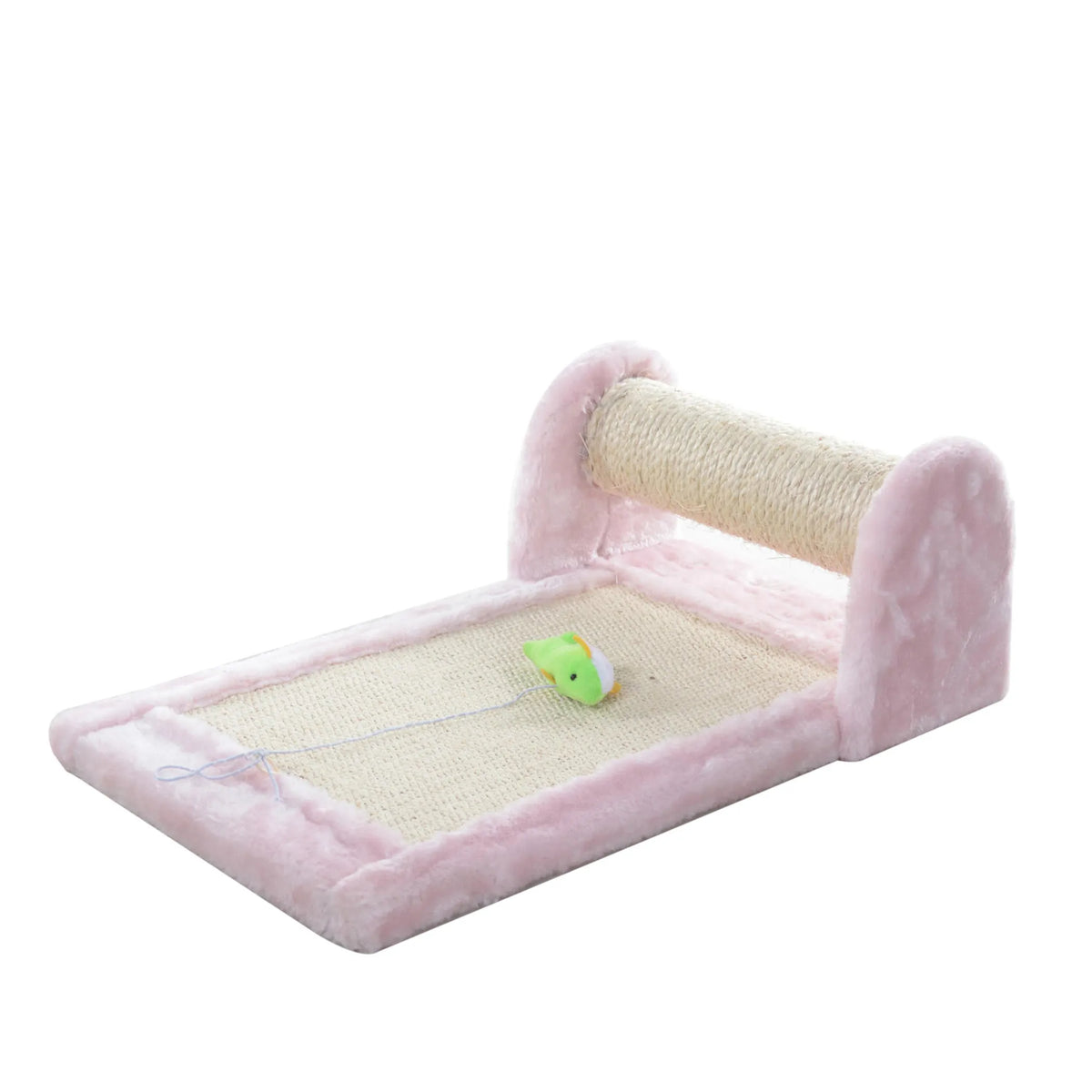
A selection of toys for variety
If you’re not sure what your kitten will like, a small selection of different toys can be a helpful place to start. The PetsEssentialsUK Cat / Kitten Toy Collection includes a catnip-filled bow tie, two colourful rattling mice and one additional toy, such as a spring or fluffy ball. The extra toy varies, so the contents may differ.
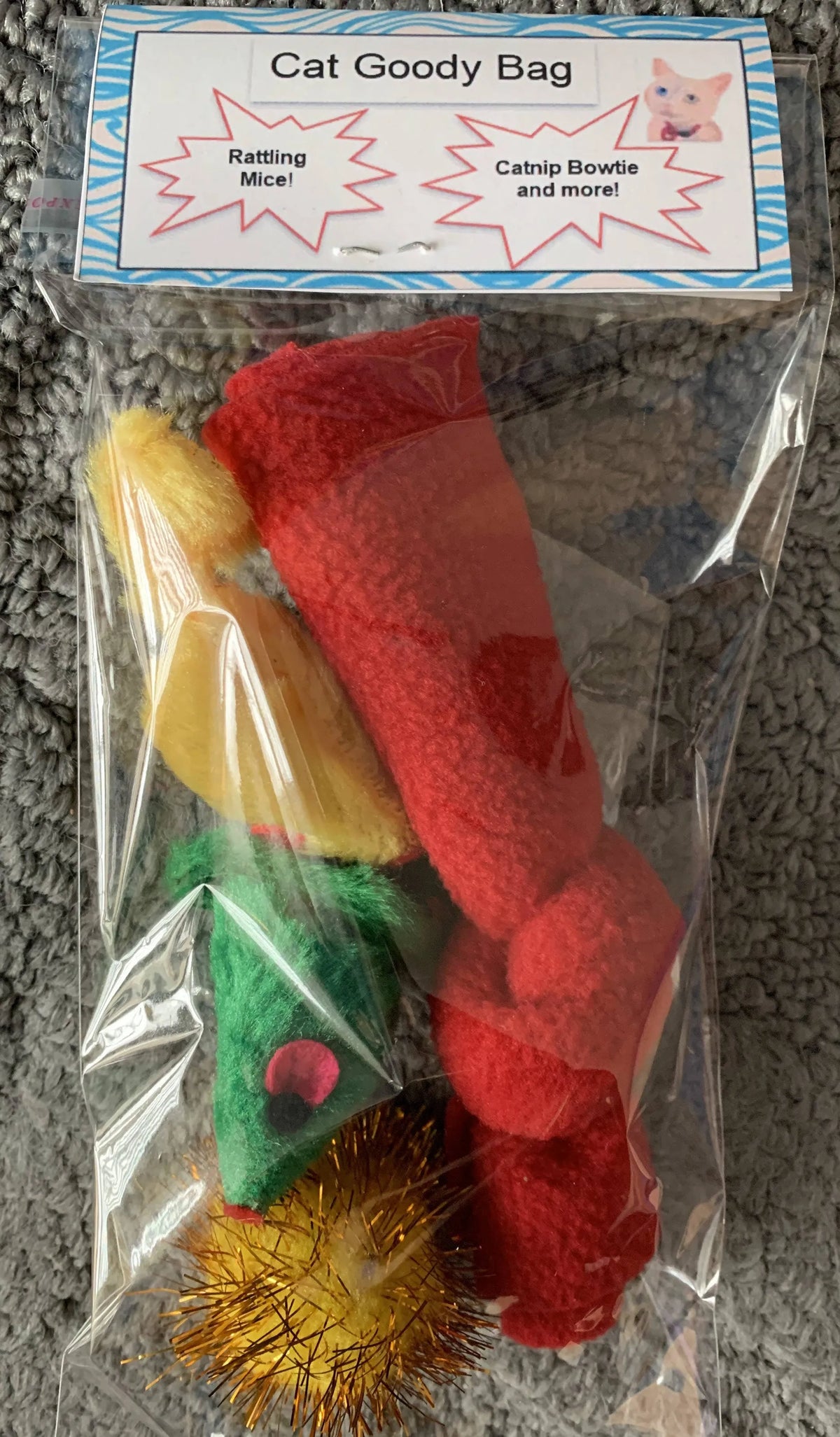
How to play with your kitten
Short, regular play sessions are often more rewarding than one long session. Watch your kitten’s interest and energy: some will be ready for another round soon, while others need a rest after a few minutes. You might find that morning or evening is a natural time to play.
For interactive games, let your kitten follow the toy, make a few pounces and catch it sometimes. A game where the toy stays just out of reach for too long can become frustrating. Keep your hands and feet out of the game, even if your kitten’s tiny pounces seem harmless now. Using toys instead helps teach them what’s appropriate to chase.
You can also leave out a small number of safe toys for independent play when you’re nearby or busy. Rotate them every few days to bring back a sense of novelty. You don’t need a cupboard full of toys; changing which ones are available can make familiar favourites interesting again.
The VCA Animal Hospitals guide to cat play and toys offers more advice on toy choices, play sessions and supervision.

Keeping cat toys safe
A quick check before and after play helps you spot worn parts before they become a problem. Take damaged toys away, and choose items that are a good size for your kitten. Be especially careful with toys that have string, ribbon, elastic, feathers or small parts. Use these only while supervising, then store them out of reach.
No toy is completely risk-free, so notice how your kitten uses it. If they tend to chew or pull at a toy rather than bat it around, choose sturdier options and supervise more closely. If your kitten swallows part of a toy, contact your vet for advice.
It’s also worth remembering that catnip affects cats differently. Some respond to it and others do not, so don’t worry if your kitten seems uninterested in a catnip toy. Let them decide what they enjoy.
Finding the right toys for your cat
You don’t need to guess perfectly from day one. Offer a few different kinds of cat toys, watch what catches your kitten’s attention and adjust as they grow. Some will love a chase game; others will gravitate towards a rattling mouse, a ball or a scratcher.
We believe our pets deserve the same thoughtful care we’d give any member of the family. That means choosing toys with your cat’s interests and safety in mind, and making time to enjoy play together. Explore our Cat / Kitten Toy Collection, browse the wider cat products collection, and see what your kitten thinks.