

When a cold snap arrives, a bird bath can turn to ice overnight. Keeping fresh water available is a simple way to help garden birds, who use it for drinking and keeping their feathers in good condition. The good news is that there are easy ways to stop your bird bath freezing, and a heater is only one option.
Here’s how to care for your bird bath through a UK winter, what to know about a heated bird bath, and how to think about safety before adding electrical equipment to your garden.
Why water matters in winter
Birds need water throughout the year, but frozen garden sources can make it harder to find. A shallow bird bath can offer a useful place to drink and bathe, even when the weather is cold.
The RSPCA’s winter bird advice recommends changing bird bath water daily and gently defrosting frozen water with warm water. The Wildlife Trusts also suggest replacing frozen water with tepid water or breaking the ice each day.
A bath should be easy for birds to use. Choose one with shallow water, gradual edges and a rough surface for grip. Place it somewhere you can reach for regular cleaning and filling, with shrubs or a tree nearby for cover. Keep an eye out for cats and other potential predators.

Simple ways to keep a bird bath ice-free
You don’t need electrical equipment to look after a bird bath in winter. Try these practical steps first:
- Check it each morning. If the water has frozen, gently pour in some warm water to melt the ice, then refill with fresh water. Avoid pouring boiling water onto a cold bath, as a sudden temperature change may damage some materials.
- Use a spare shallow dish. Keep one dish indoors while the other is outside, then swap them if the water freezes. Make sure the dish is stable and suitable for birds to use.
- Keep the bath clean and topped up. Change the water daily, and clean the bath regularly. The Wildlife Trusts recommend weekly cleaning.
- Make access easy. A bath you can reach without crossing a slippery area is more likely to become part of your daily routine.
Never add salt, antifreeze or other chemicals to stop water freezing. The RSPCA warns that salt and antifreeze can be fatal to birds. Avoid improvised heating methods too, such as candles, hot objects or heaters not designed for bird baths.

Is a bird bath heater right for your garden?
A bird bath heater is an option if you want to reduce the chance of your water freezing during cold weather, especially if checking and refreshing the bath several times a day isn’t practical. It isn’t essential, though. Regularly replacing frozen water with tepid water is a straightforward alternative.
If you’re considering a heated bird bath, choose equipment intended for this purpose and follow its instructions closely. Don’t assume that any heater labelled waterproof will be suitable for your particular bath or garden setup. Check how it is meant to be positioned, which types of bath it can be used with, and whether its plug and power supply are suitable for outdoor use in the UK.
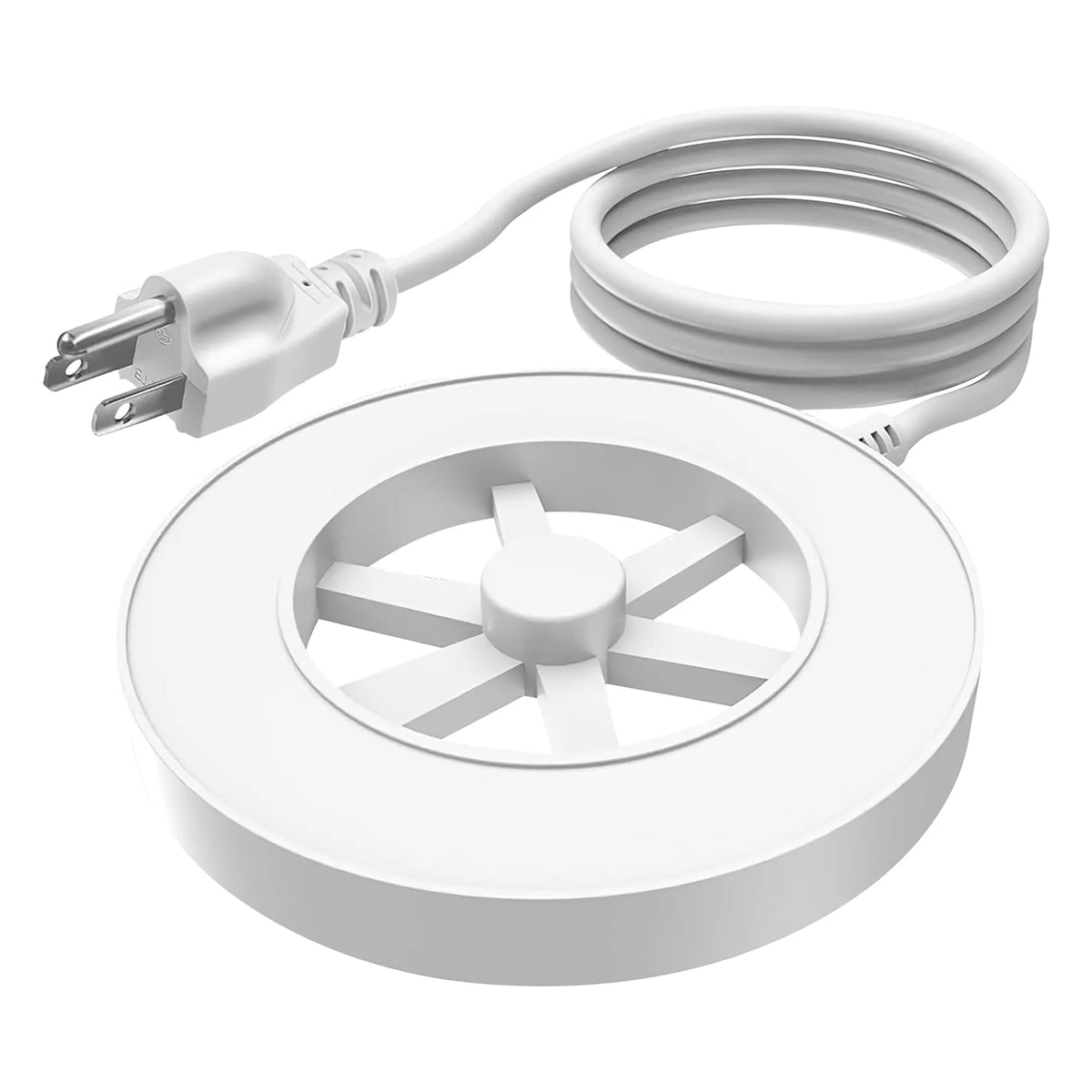
PetsEssentialsUK’s 70W Bird Bath Heater is described on its product page as thermostat-controlled and waterproof for outdoor use. Before buying or installing it, read the full product information and instructions, and confirm that it is suitable for your bird bath and outdoor electrical supply.
Outdoor electrical safety
Water and electricity need careful handling. Before using any garden heater, check the product instructions and make sure the full setup (including the socket, cable and any connections) is suitable for outdoor conditions.
The RHS guide to electricity in the garden recommends using an RCD (residual current device) with plug-in equipment, checking cables and plugs for wear, and using a qualified electrician for new outdoor sockets or wiring.
A few sensible precautions:
- Keep plugs and connections protected from water as directed by the manufacturer.
- Keep cables away from paths and places where they could be cut, crushed or tripped over.
- Don’t use damaged equipment or an ordinary indoor extension lead outside.
- Switch off and unplug the heater before cleaning or moving the bath, following the product instructions.
- If an RCD trips, stop using the equipment and investigate the fault rather than repeatedly resetting it.
If you’re unsure about the product, your socket or the installation, speak to a qualified electrician. A heater should never be improvised or installed in a way that puts people, pets or wildlife at risk.
Keep the bath clean and welcoming
A heater doesn’t replace daily care. Change the water every day, and clean the bath at least once a week. This helps keep the water fresh for visiting birds. Wear gloves when cleaning, as the RSPCA advises, and rinse the bath thoroughly before refilling.
Take a moment to check that the bath is steady, the water is shallow, and birds have a safe place to approach and leave. If you notice that the bath is dirty, damaged or difficult to maintain, it’s better to clean or repair it before putting it back out.
For more bird-care essentials, you can browse our bird products.
A simple winter routine
On frosty mornings, check whether the water is frozen. If it is, gently melt the ice with warm water and refill the bath. If you choose a heater, use only a product designed for bird baths, and follow its instructions and electrical safety guidance carefully. Keep changing the water and cleaning the bath as usual.
Small, steady steps can make a useful difference for the birds visiting your garden. Whether you choose a heated bird bath or a simple daily top-up, the important thing is to provide clean, accessible water safely.